
—————————————————————
Heroes of the Caribbean
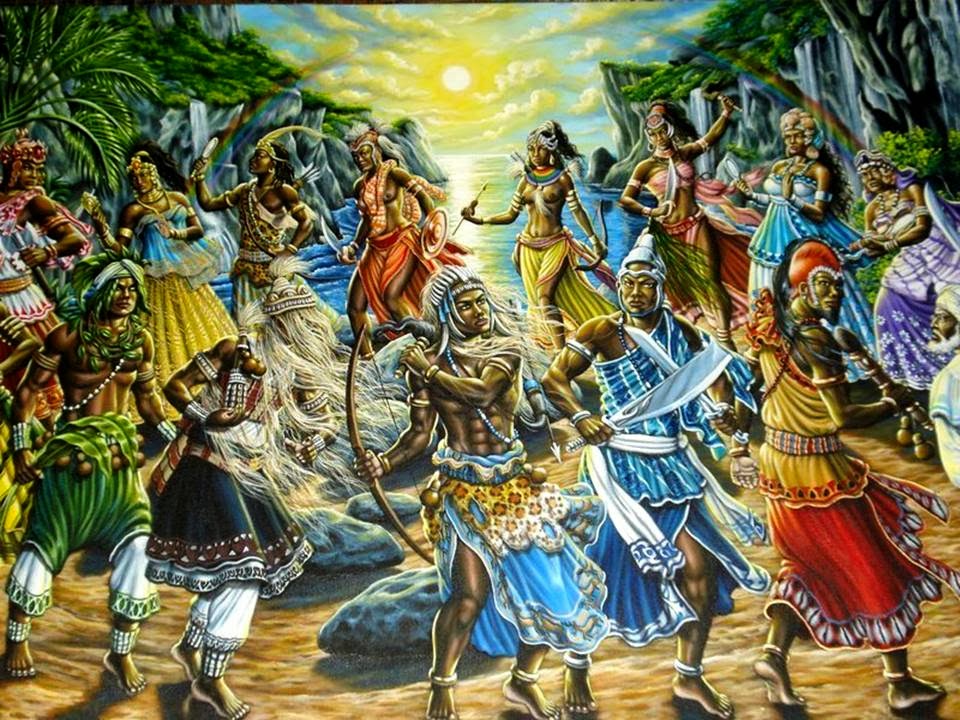
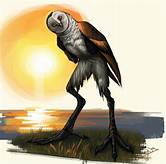

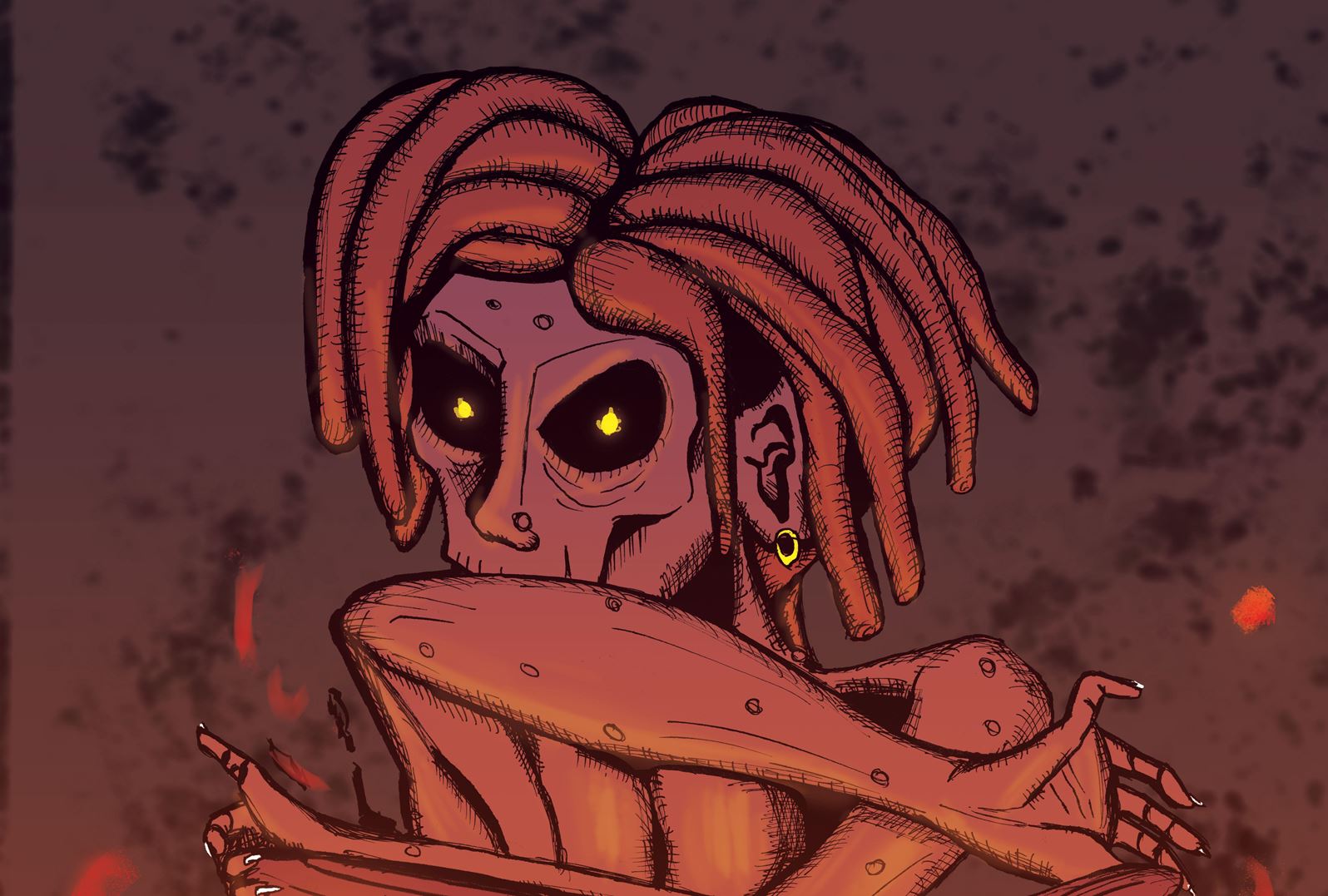
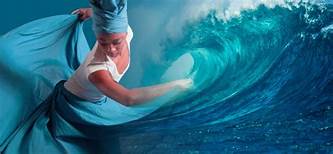
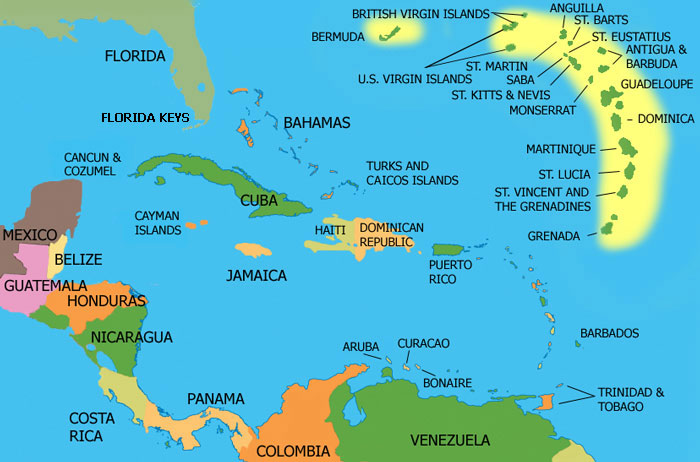
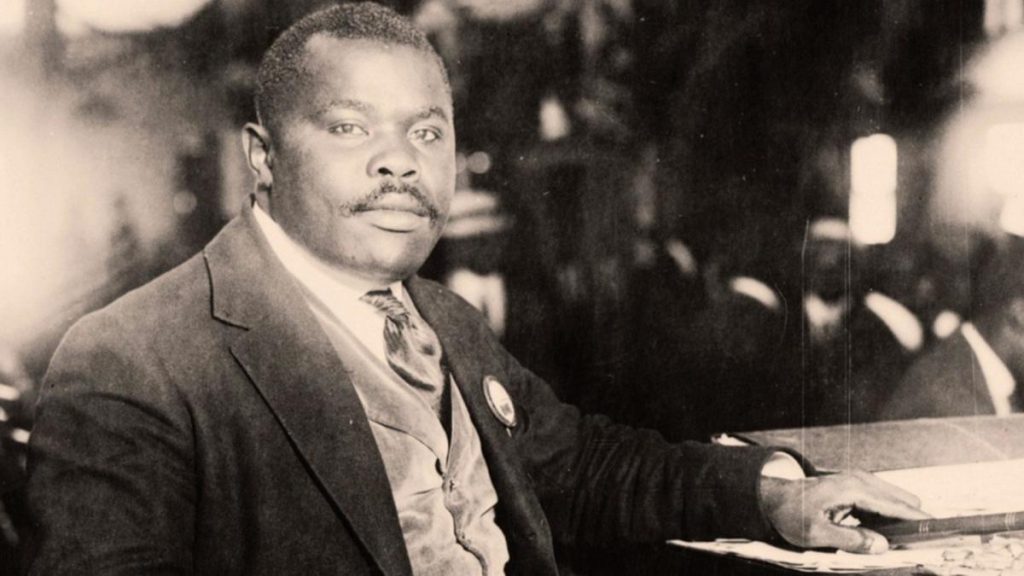
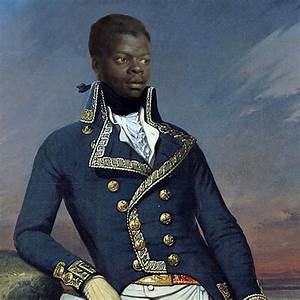
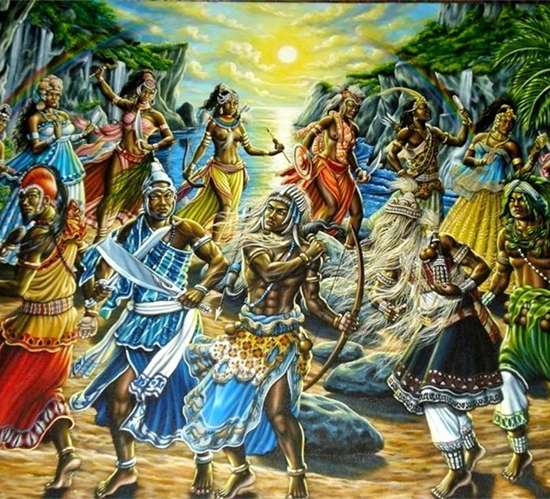
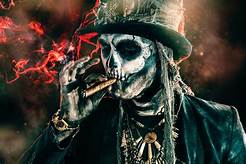
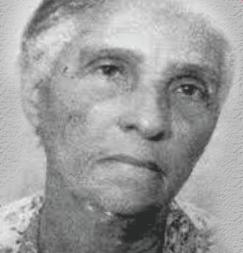
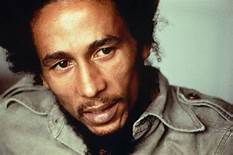
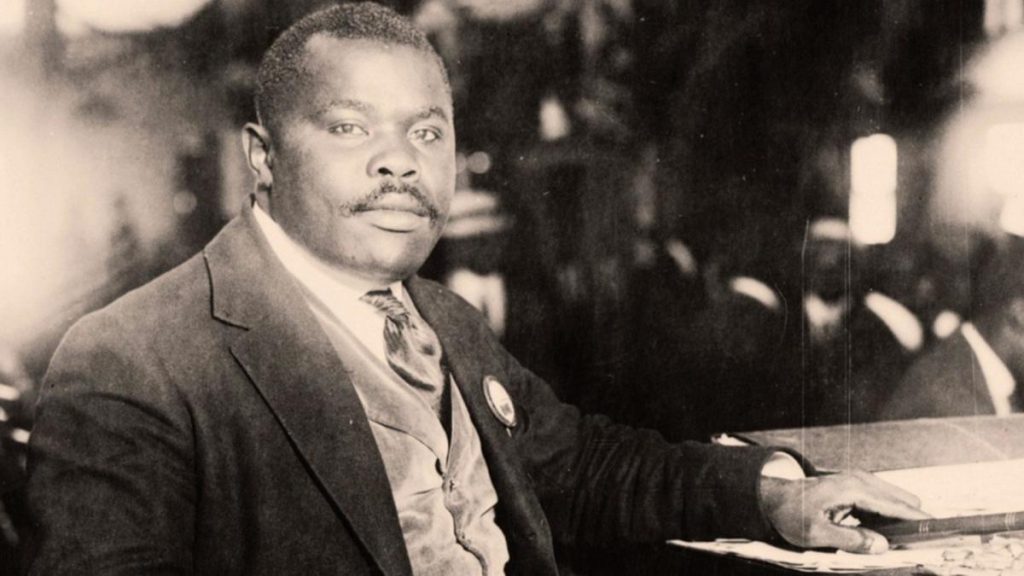
A TTCT Black Atlantic History Teaching Resource, HEROES OF THE CARIBBEAN is a collection of all of the Caribbean Folk Heroes and Local Legends of Myth and History – featuring entities such as the Orishas, Mama Bridget, Baron Samedi, Soucouyant, Chickcharnies and Ananci, and persons such as Toussaint L’Overture, Marcus Garvey, Prince Klass, Dame Nellie Robinson, Robert Nestor Marley, and many, many more!
A TTCT Black Atlantic History Teaching Resource – Available 2027
—————————————————————
Heroes of the African Diaspora
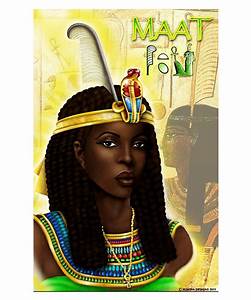
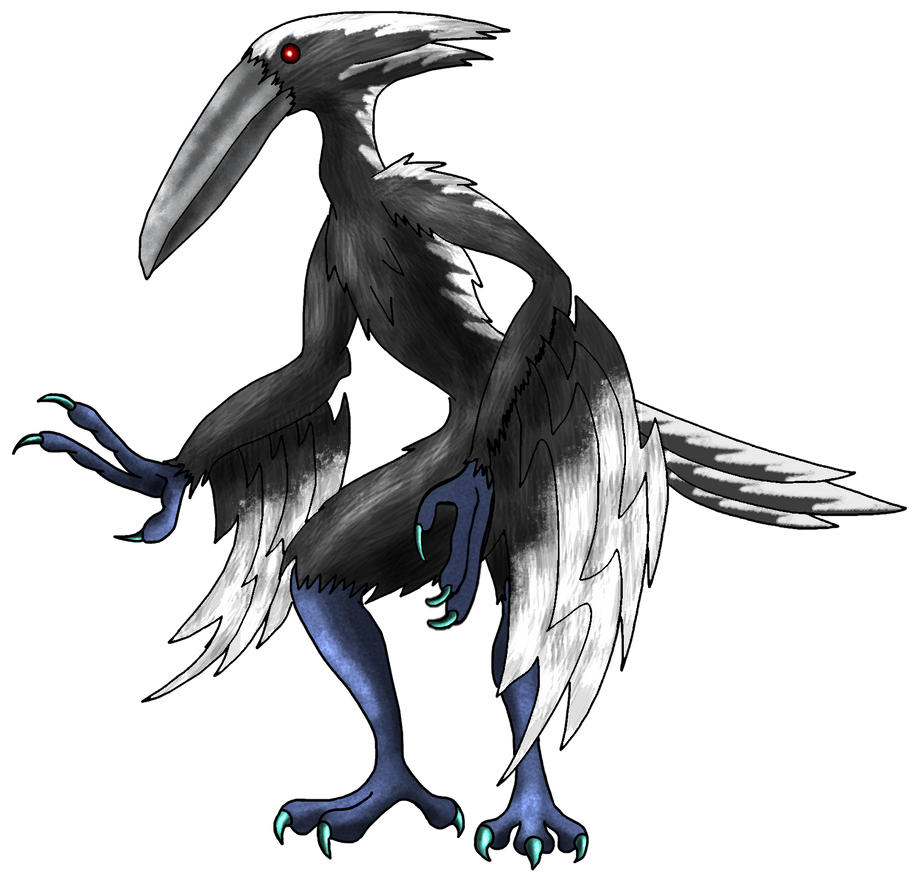
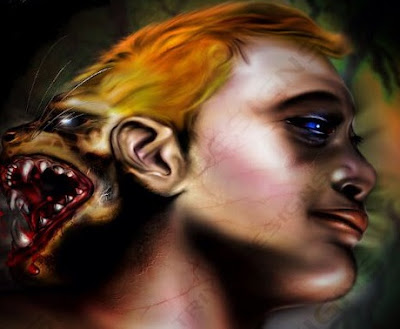
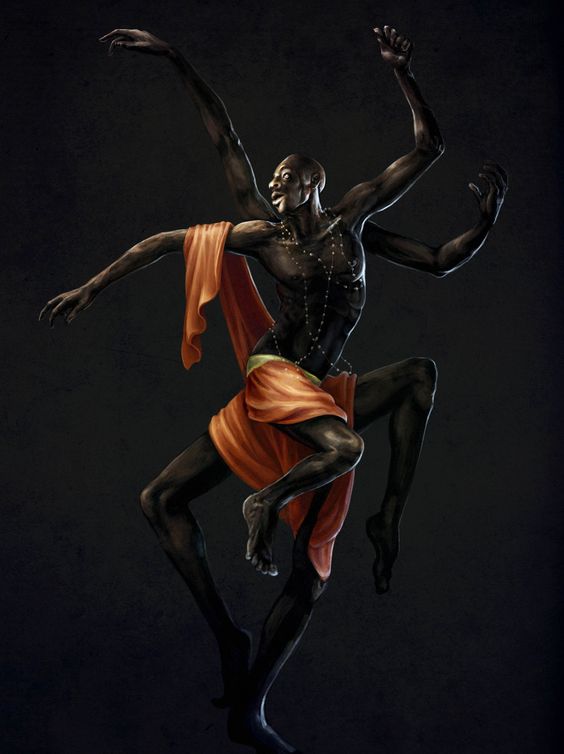
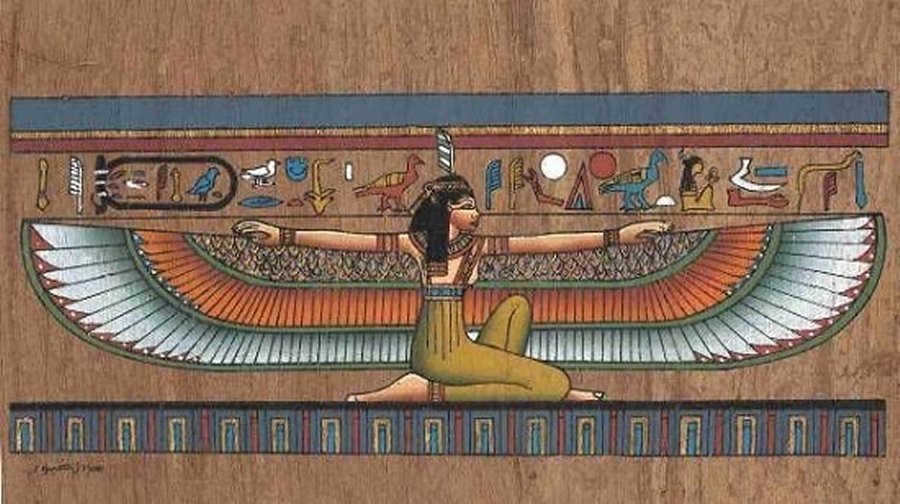
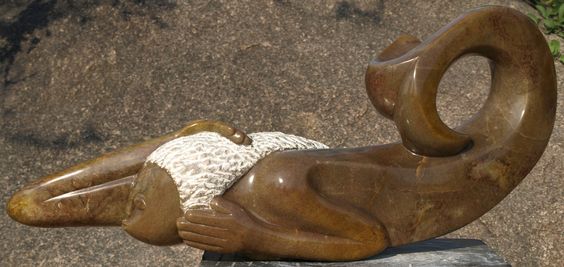
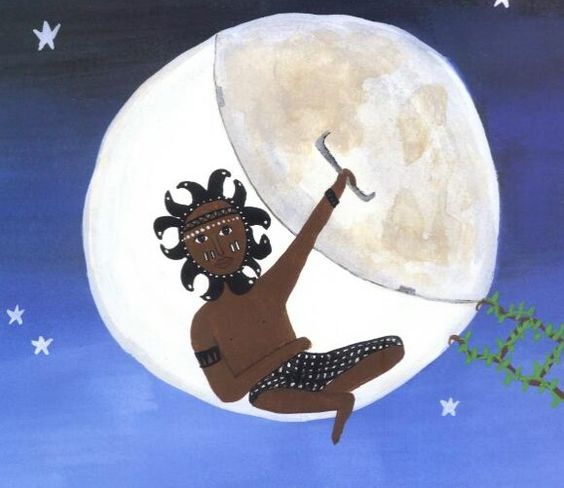
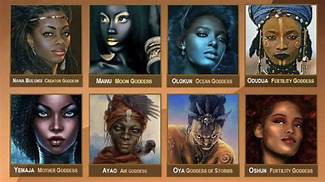
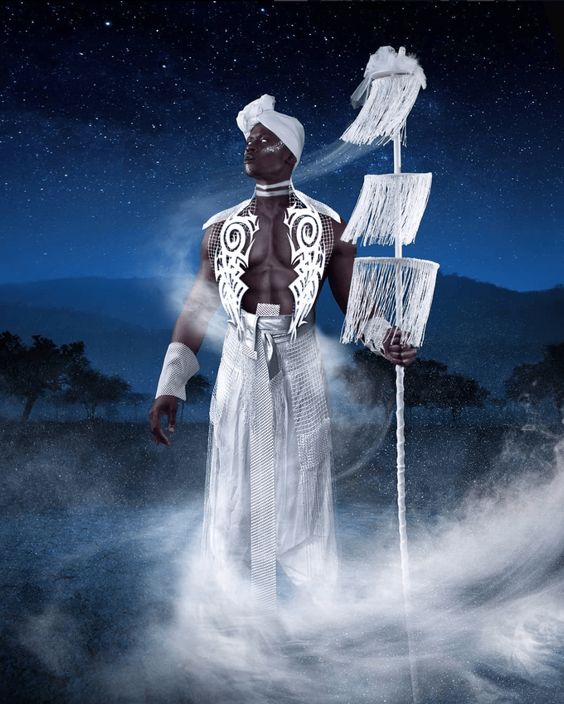
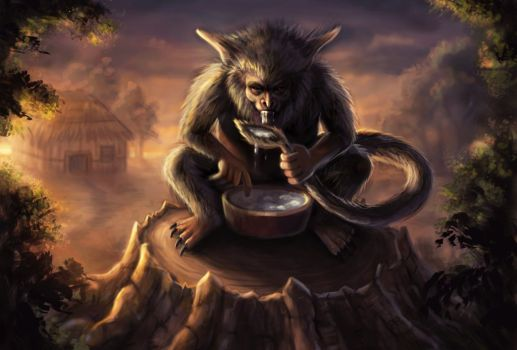
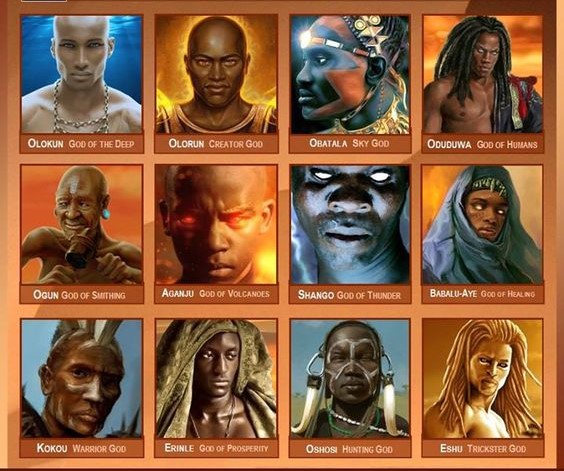
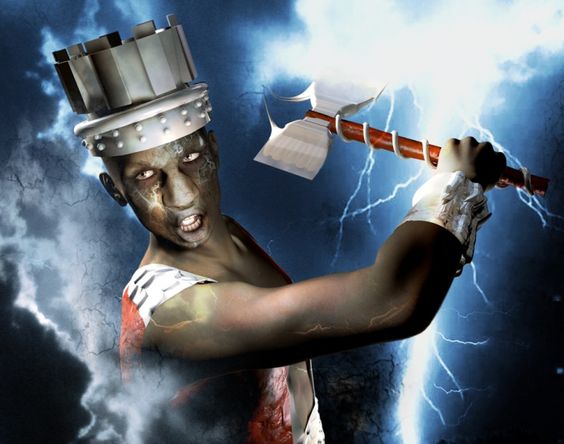
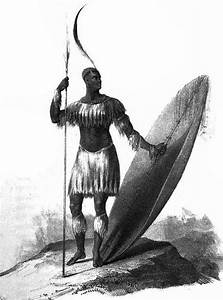
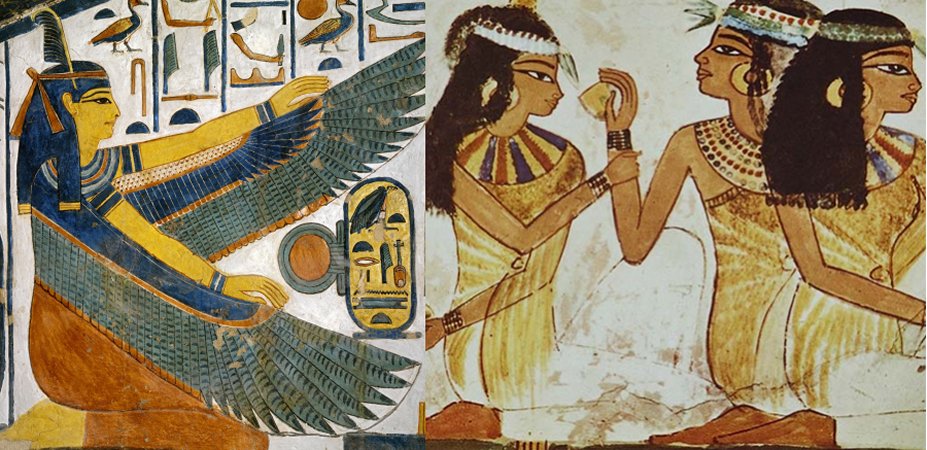
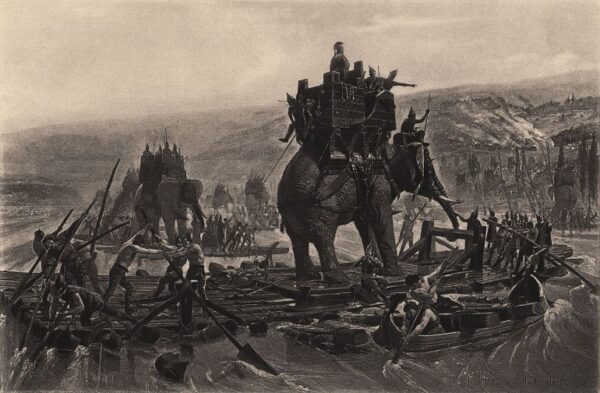
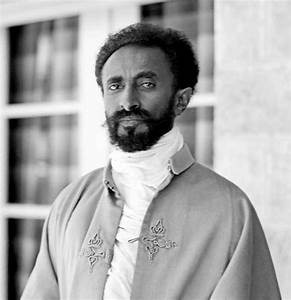
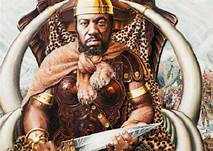
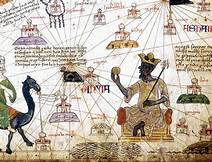
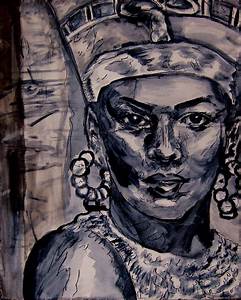
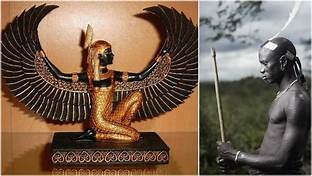
A TTCT African History Teaching Resource, HEROES OF THE AFRICAN DIASPORA is a collection of all of the African Heroes of Folk and Local Legend, of History and Mythology – covering entities such as the Sky Gods, Ma’at, Kishi, Tolokoshe, Impundulu, Nijuzu, and persons such as Nefertiti, Musa Mansa, T’Shakka Zulu, Haile Tarafi Selassie, and many, many more!
A TTCT African History Teaching Resource – Available 2027
—————————————————————
The Melanated Diaspora
A Discussion & Essay-Based TTCT Global Educational Resource, looking at the Differences and Similarities between, the Connections, the Issues and the Demographics and Distribution of, People of Colour, Worldwide.
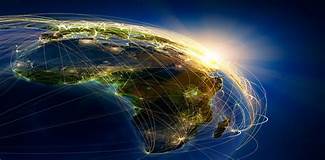
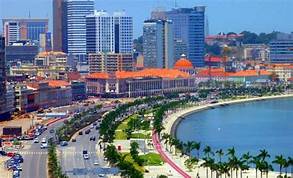
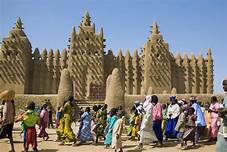
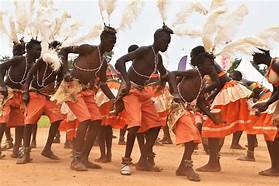
WHAT DOES MELANATED MEAN?
The word Melanated refers to someone with melanin – a dark brown pigment that naturally occurs in hair and skin.
OTHER DEFINITIONS OF MELANATED:
- Usually refers to someone with heavy melanin content in their skin.
- The state of being where melanin content of the skin is increased, to the point where someone is dark in appearance. usually reserved for people of colour.
- A reference to the root word melanin, which is a natural pigment in organic skin that gives a darker appearance. this particular level is usually applied to people with darker complexions.
A Diaspora is a scattered population whose origin lies in a separate geographic locale. Historically, the word diaspora was used to refer to the mass dispersion of a population from its indigenous territories, specifically the dispersion of the Jewish Peoples. Whilst the word was originally used to describe the forced displacement of certain peoples, “diasporas” is now generally used to describe those who identify with a “Homeland“, but live outside of it.
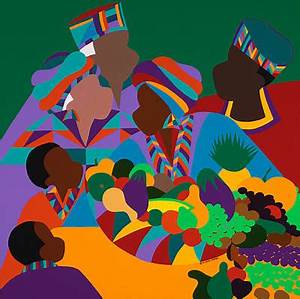
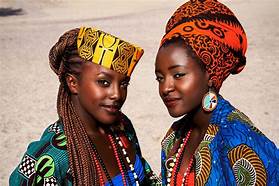
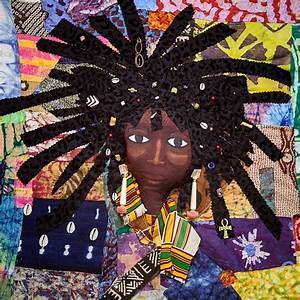
Some notable historic diasporas are the Assyrian Diaspora which originated during and after the Arab Conquest of Iraq, Syria, Turkey and Iran and continued in the aftermath of the Assyrian Genocide; the southern Chinese and Indians who left their homelands during the 19th to 20th century; the Irish who left Ireland during and after the Great Famine; the Scottish who emigrated on a large scale after the Highland and Lowland Clearances; the Romani from India; the Italian Diaspora and the Mexican Diaspora; the exile and deportation of Circassians; the Palestinian Diaspora following the Flight (or Expulsion) of Arabs from Palestine; the Armenian Diaspora following the Armenian Genocide; the Lebanese Diaspora due to the Lebanese Civil War; the fleeing of Greeks from Turkey after the Fall of Constantinople, the later Greek Genocide, and the Istanbul Pogroms, and the emigration of Anglo-Saxon warriors and their families after the Norman Conquest, primarily to the Byzantine Empire.
Recently, scholars have begun to distinguish between different kinds of diaspora, based on their causes such as colonialism, civil war, and trade, labour or economic migrations, or by the kind of social coherence within the diaspora community and its ties to the ancestral lands. Some diaspora communities maintain strong political ties with their homeland. Other qualities that may be typical of many diasporas are thoughts of return, keeping ties Back Home (country of origin) relationships with other communities in the diaspora, and lack of full integration into the host countries. Diasporas often maintain ties to the country of their historical affiliation and influence the policies of the country where they are located.
As of 2019, according to the United Nations, the Indian diaspora is the world’s largest diaspora with a population of 17.5 million, followed by the Mexican diaspora with a population of 11.8 million and the Chinese diaspora with a population of 10.7 million.
The UN General Assembly proclaimed 2015-2024 as the International Decade for People of African Descent (resolution68/237) citing the need to strengthen national, regional and international cooperation in relation to the full enjoyment of economic, social, cultural, civil and political rights by people of African descent, and their full and equal participation in all aspects of society.
As proclaimed by the General Assembly, the theme for the International Decade is “People of African Descent: Recognition, Justice and Development.”
The main objectives of the International Decade are as follows:
- Promote respect, protection and fulfilment of all human rights and fundamental freedoms by people of African Descent, as recognized in the Universal Declaration of Human Rights;
- Promote a greater knowledge of and respect for the diverse heritage, culture and contribution of people of African descent to the development of societies;
- Adopt and strengthen national, regional and international legal frameworks according to the Durban Declaration and Programme of Action and the International Convention on the Elimination of All Forms of Racial Discrimination and to ensure their full and effective implementation.
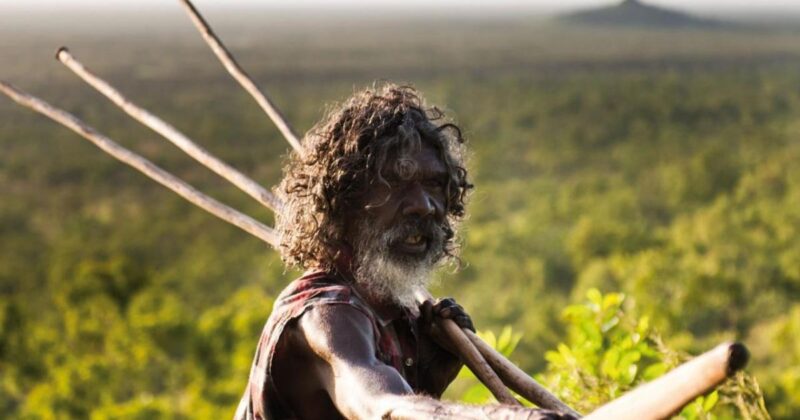
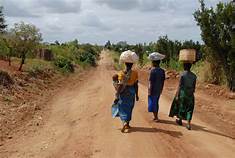
As this specified time period nears its close, TTCT has designed this Teaching Resource in order to allow students to both identify and explore, the conceptual, the political, the ideal and the actual, MELANATED DIASPORA of Planet Earth.

A TTCT Global Teaching Resource – Available 2027
—————————————————————
Decolonisation – Decolonising Planet Earth, Decolonising Humanity
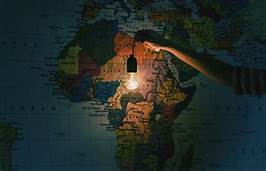

A Discussion and Essay-based TTCT Global Teaching Resource focused on looking at the question of what Colonialism is, how it operates and functions within the global sphere, and how it can possibly be dismantled and abandoned both as an ideology, and as a political and social tool.
The decolonisation movement and its significance to those who feel their history is underrepresented is growing..
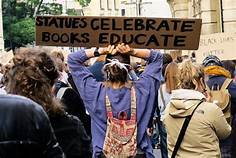
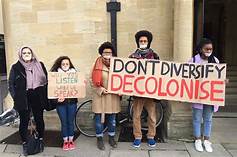
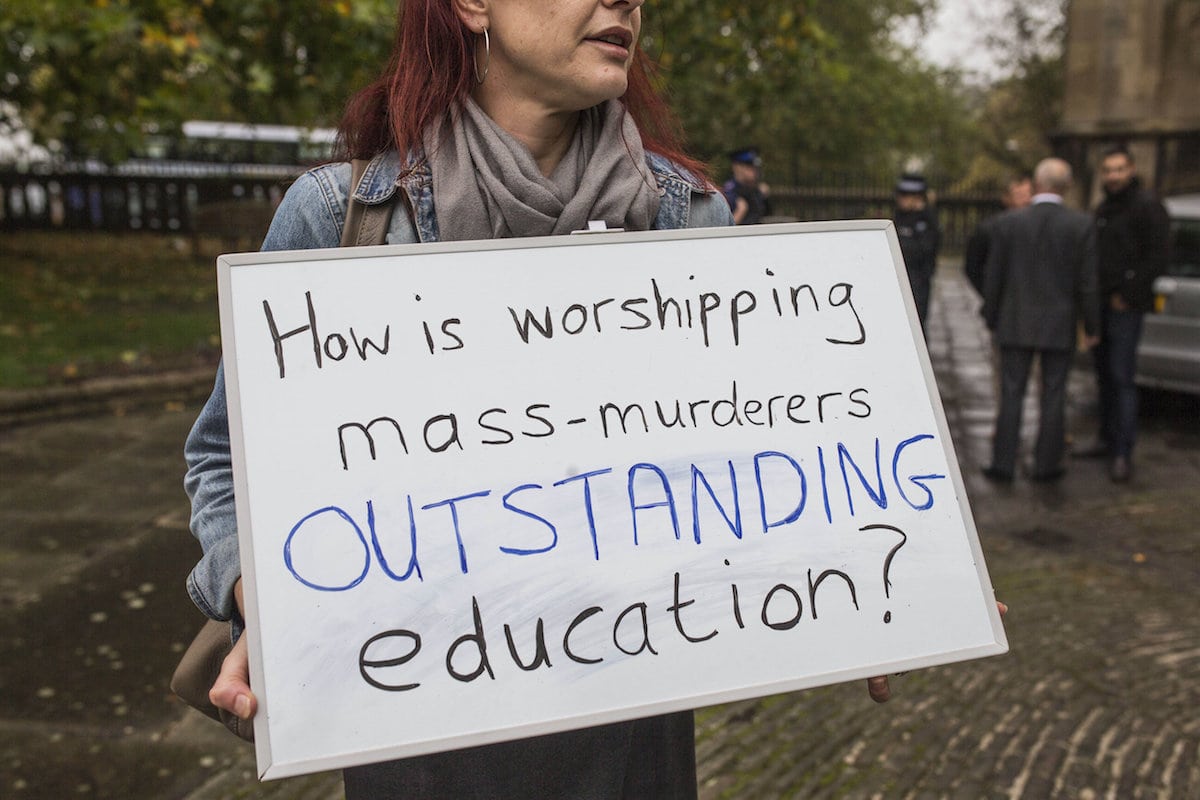
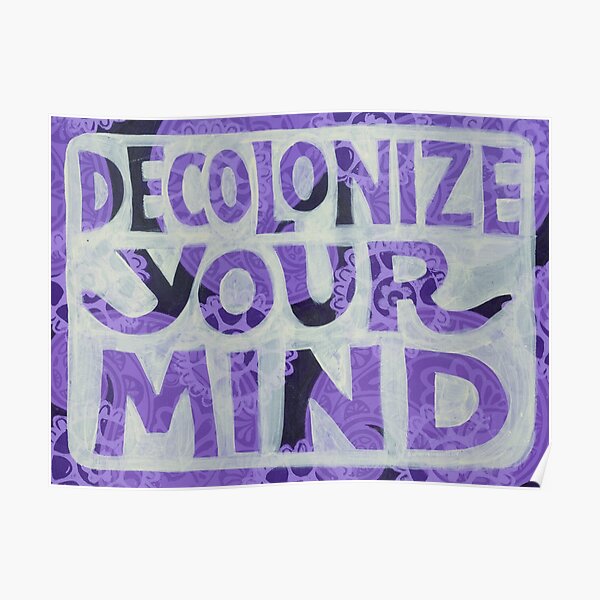
We have witnessed a movement, within Britain and the United States of America amongst others, to ‘decolonise’ our public spaces. From the taking down of statues, to the renaming of sites named after slave traders, to student campaigns to decolonise universities, the global movement to decolonise our minds is growing.
Campaigners are calling for the removal of the legacies of colonialism, which include the dominance of European writers on university curriculums, and statues, plaques and sites commemorating European men who gained wealth and fame through the exploitation of people from the colonies.
Intellectually, this movement began in the late 1940s, gathering momentum in the 1950s and 1960s as Asian and African countries gained independence from the British and other European colonial powers. As well as the physical removal of imperial power, the concept includes a rejection of the colonisers’ ideas that led to the colonised being oppressed and feeling inferior.
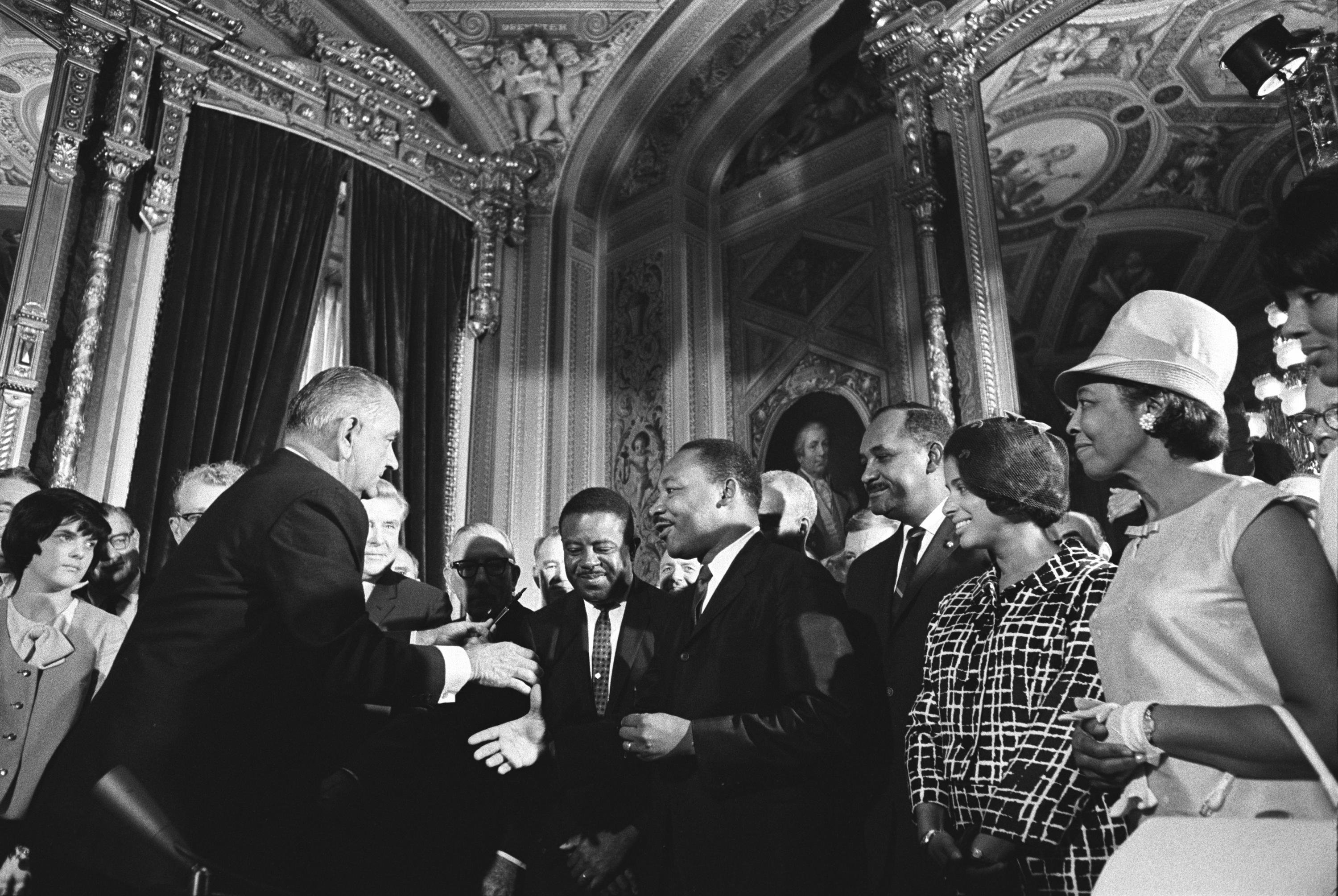
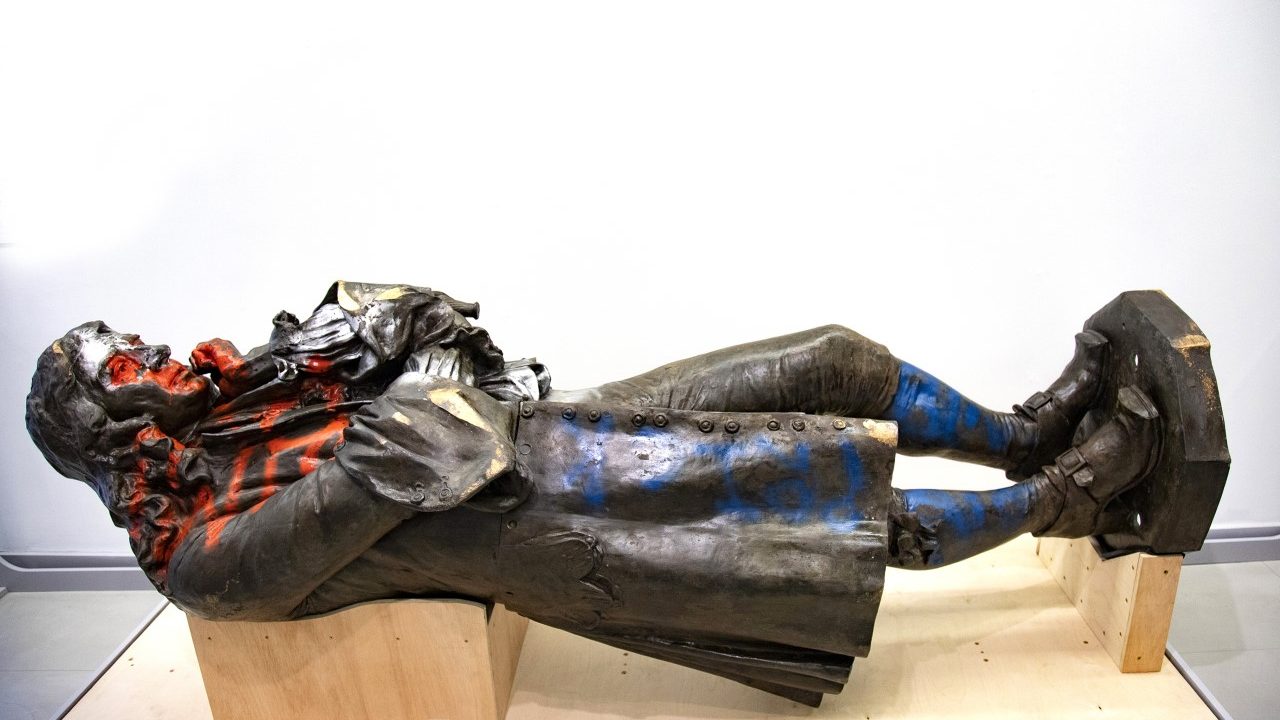
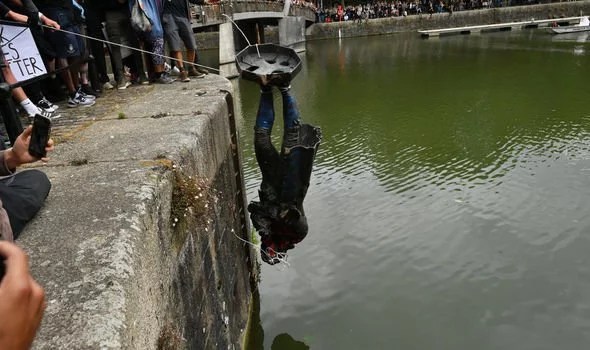
Decolonisation is about the present as well as the past: it is important that descendants of the colonised do not have to live in societies that honour those who oppressed their ancestors. It is about eradicating racism, a direct legacy of colonialism.
It can be viewed as part of a wider movement to dismantle old, oppressive systems and tell a wide range of counter-stories – those of working-class people, women, Black, Asian and Minority Ethnic (BAME) people, LGBTQ people, and people with disabilities – that enable us to challenge racist and other discriminatory beliefs that have resurfaced in the current political environment.
A decolonised curriculum places knowledge in the context of colonialism to recognise how knowledge has been used to oppress, as well as to learn about the knowledge of the oppressed. A decolonised curriculum recognises that Europe does not exist in isolation, that its own knowledge has been produced through centuries of exchange with (and often erasure of) Others.
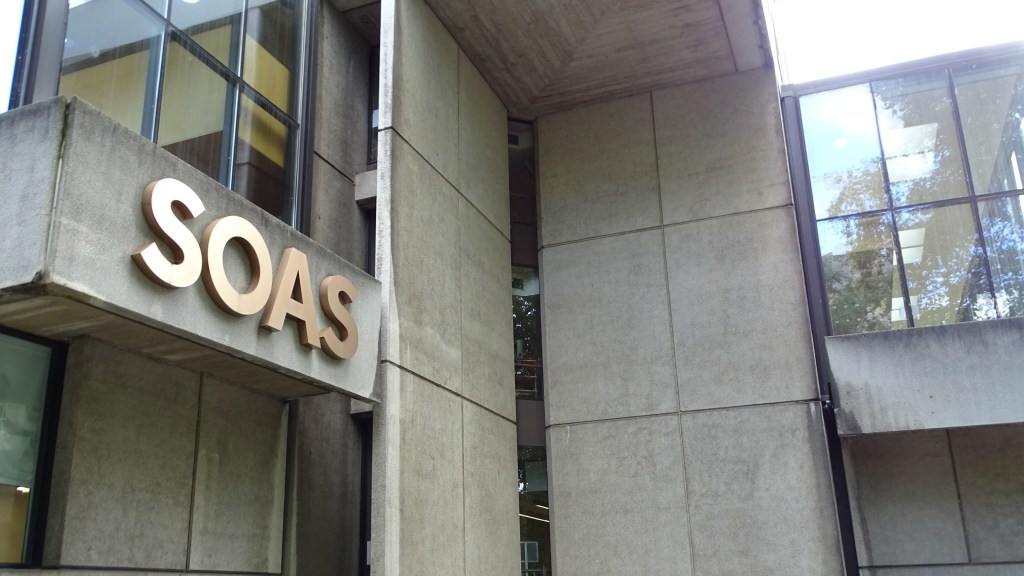
The School of Oriental and Asian Studies in London made headlines when they launched a campaign to decolonise the curriculum. The Decolonising Our Minds Society “seeks to challenge the political, intellectual and structural legacies of colonialism and racism both within and outside the university”. They argued that the curriculum is too deeply rooted in colonial worldviews, and excludes non-white thinkers.
We need to think carefully about how we decolonise: “We are failing to really decolonise anything, unless it dismantles and challenges systems of hierarchy such as the patriarchy, class-based hierarchies, and sexuality.”
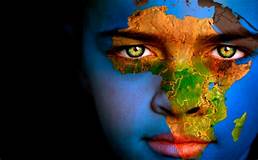
Through the removal or re-presentation of colonisers, decolonisation is attempting the mountainous task of undoing centuries of emotional and physical damage inflicted on individuals and communities from the African and Asian Diasporas. If we can achieve this we will free ourselves of limiting, divisive and damaging beliefs. It’s not going to happen overnight – ideas of white supremacy are deeply embedded in our collective consciousness – but we can get there.
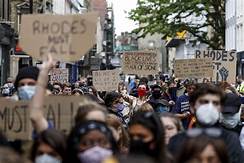
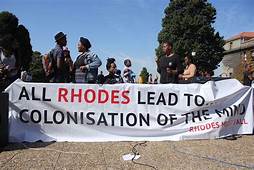
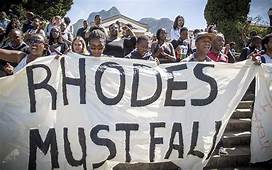
Now that decolonisation – which can be seen as part of a wider ethical living movement that calls for respect for all living beings and the planet – has spread into the mainstream, we can begin to decolonise every aspect of society: employment, the criminal justice and healthcare systems, the media, the arts and the family.
We must teach our children and young people that there is more than one way, and more than one truth. We might not yet agree on the best methods of interpreting or implementing decolonisation, but the important thing is to have these conversations, respectfully, and to move forward together to leave the legacy of a new level of understanding for future generations.
A TTCT Global Teaching Resource – Available 2027
—————————————————————
The Tribes of The British Isles
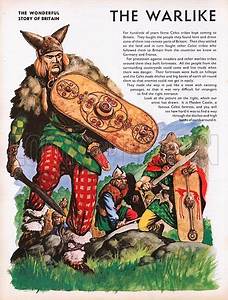
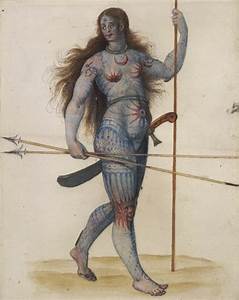
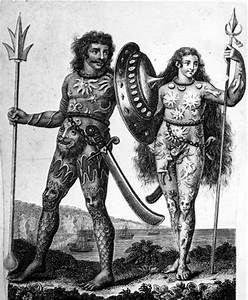
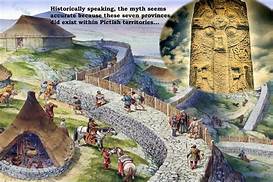
A TTCT UK Modern Series Teaching Resource, The Tribes of the British Isle primarily looks at the earliest Indigenous Peoples of the British Isles and their descendants – looking at the major Tribes and their geographical distribution, their cultures and customs, and what we actually know about them and how we came to know it.. Recent DNA and anthropological studies, suggest that a percentage of the present day British population are biologically similar to those settlers who first arrived in the British Isles towards the end of the last Ice Age (the Wurmian Ice Age). It was traditionally thought in academic circles that the large scale invasions of the Celts, Saxons, Angles, Jutes, Vikings and Normans had ended with the various populations and gene pools of regions of Britain being substantially altered.
(The Wurmian or Würm Ice Age can be dated to between about 115,000 to 11,700 years ago, but sources differ about the dates, depending on whether the long transition phases between the glacials and the interglacials (warmer periods) are allocated to one or other of those periods).
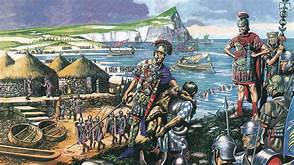
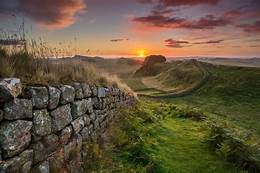
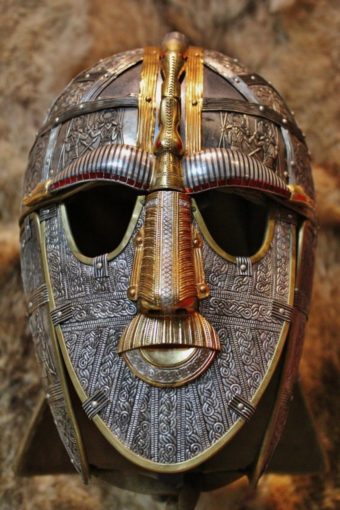
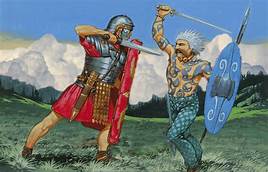
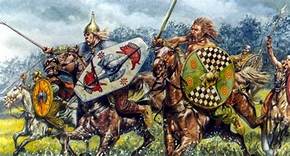
In other words, that the natives were pushed out and the invaders then colonised, to the detriment and destruction of the original Indigenous Settlers and their descendants. Recent studies have shown that this may not be entirely accurate an assumption.. Although the invasions of the Celts and Germanic tribes did have enormous cultural consequences, this did not necessarily mean that the population itself shifted in a dramatic way..
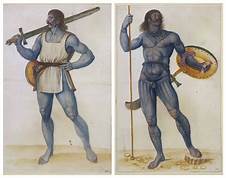
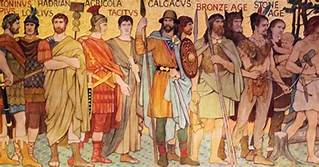
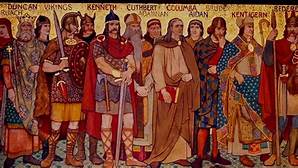
To use the Romans as an example: After invading the British Isles, the natives gradually adopted Roman customs, techniques, laws, culture and so on.. But this does not mean that the British themselves were replaced by the Romans, but only that the Roman Occupation led to a cultural change, which people often incorrectly assume meant a shift in the demographics of the population. This is an important distinction and must be borne in mind when exploring the stories of the major invasions of the British Isles by the Romans, Celts, Saxons, Angles, Jutes, Vikings and Normans.
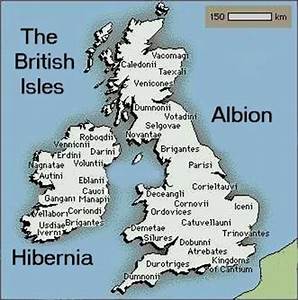
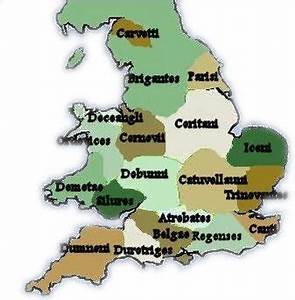
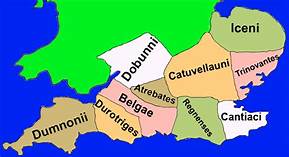
THE TRIBES OF THE BRITISH ISLES ranges forwards in time from the Prehistoric Peoples, through the Iron Age and beyond, covering the small tribes of Brythonic Celts that grew into larger tribes, each with their own distinctive identities and living in their own special regions throughout Britain, and each with their own name including the; Atrebates, the Belgae, the Cantiaci, the Dobunni, the Venicones, the Taexali, the Trinovantes, the Iceni and their famously brave and fierce Queen Boudica , the Epidii and many, many more!
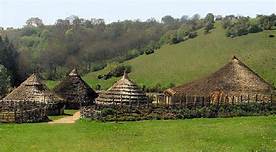
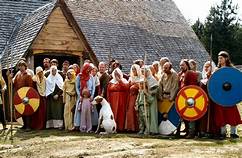
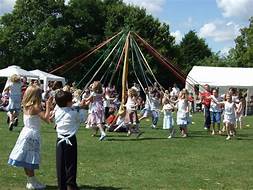
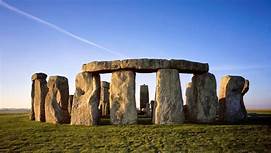
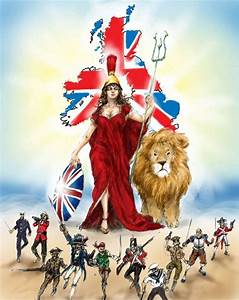
This TTCT Teaching Resource allows for an in-depth look and understanding of the roots and origins of the many little-known, mis-remembered, forgotten and unfamiliar, yet beloved and quintessentially English, traits, Customs & Traditions, (such as and including the Midsummer Maypole Festival, Morris Dancing, and the prehistoric Neolithic Stonehenge monument in Wiltshire), by identifying and examining the origins, functions and operation of the original British Settlers, their original settlements and cultivation of the British Isles, the specific Peoples who were part of that development, and the legacies that they have left behind them.
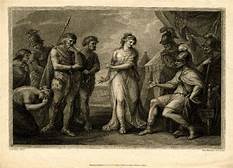
TTRT – A UK Modern Series Teaching Resource – Available 2027
—————————————————————
The Cycles of The Celts
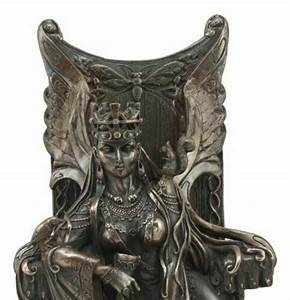
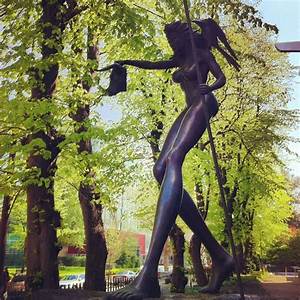
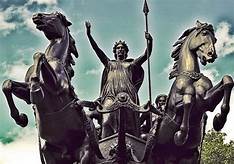
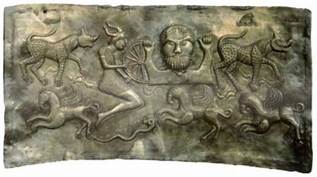
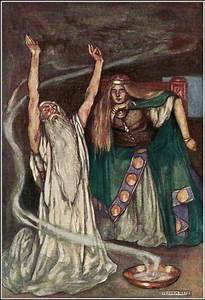
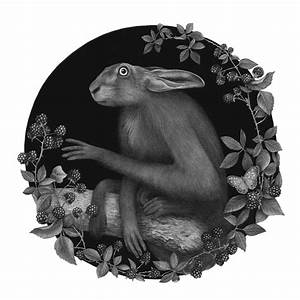
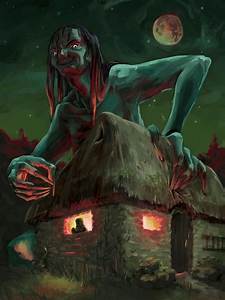
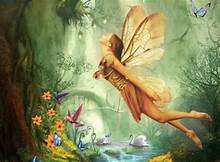
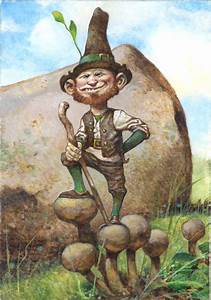
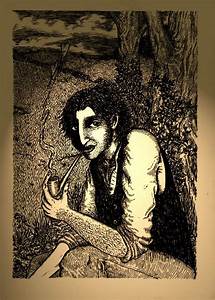
TTCT’s CYCLES OF THE CELTS is an exploration of the legendary Cycles of Celtic History & Mythology – In Irish myths, the fictional history of Ireland can be divided into three distinct periods.
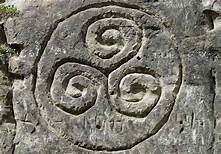
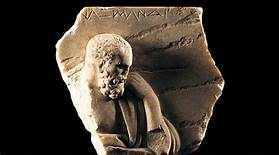
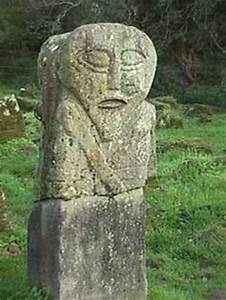
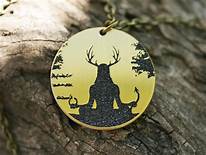
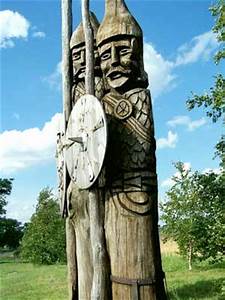
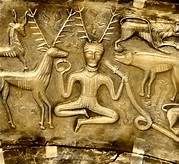
The Mythological Cycle or the Book of Invasions, comprised of successive settlements of early Celtic people on Ireland, particularly the Tuatha Dé Danann and the Milesians. The other two Cycles were supposed to be set at a later time.
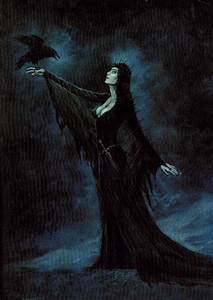
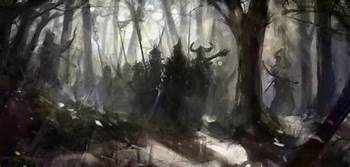
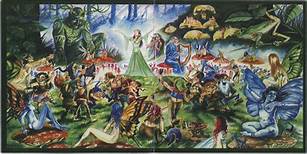
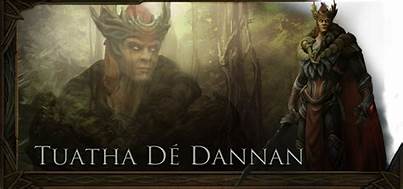
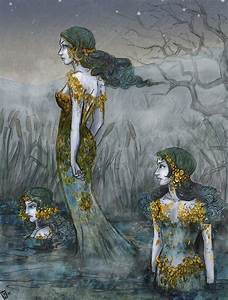
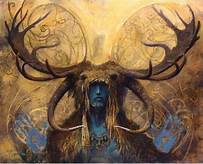
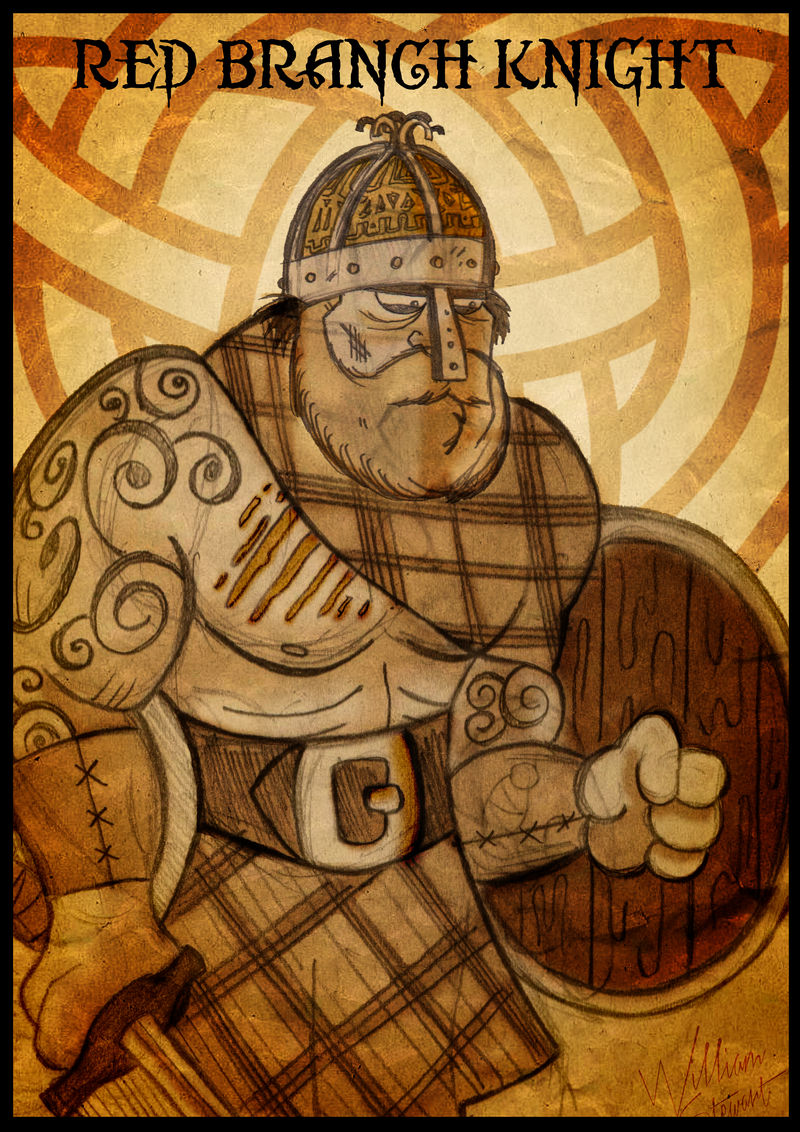
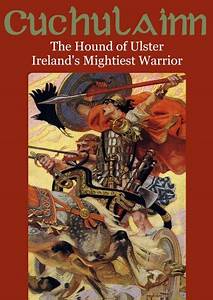
The Ulaid Cycle deals with the reigns of Conchobor of Ulaid and Medb of Connacht, and looks particularly at the fearsome warriors of the Red Branch and its greatest hero, Cú Chulainn.
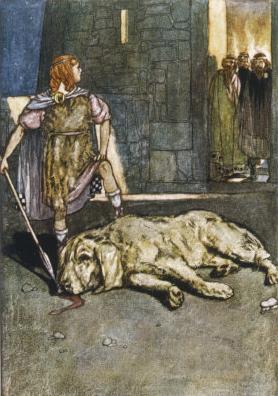
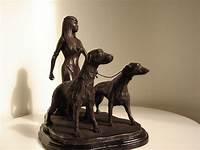
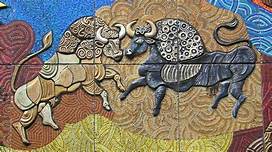
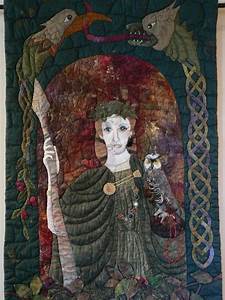
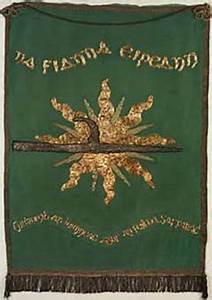
The Fenian Cycle (or the Ossianic Cycle), is supposed to have been set in a more peaceful time during the reign of Cormac the Airt, and focuses particularly on the legendary warriors of Fianna and their greatest hero, Finn Mac Cumhaill.
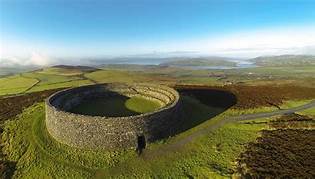
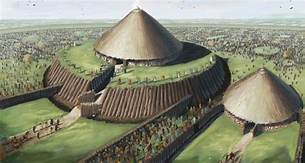
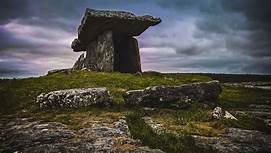

Some scholars consider that there was a fourth cycle, called the Cycle of Kings (or Book of Kings). This was supposed to be a history of the early reigns of the Milesian Kings, and this Resource will also examine the evidence and known facts surrounding this Cycle..
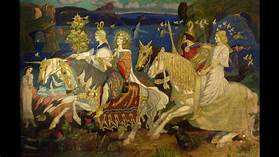
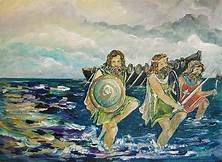
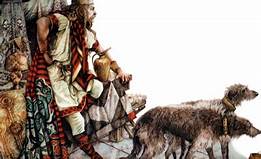
The TTCT CYCLES OF THE CELTS Educational Resource looks at these Cycles and examines the historical facts within the Celtic mythology in greater detail.
TTRT – A UK Modern Series Teaching Resource – Available 2027
—————————————————————
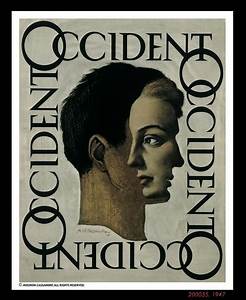
Occident
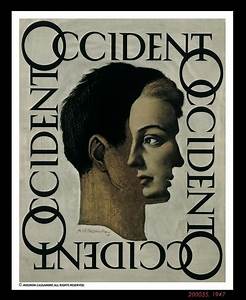
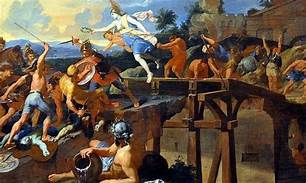
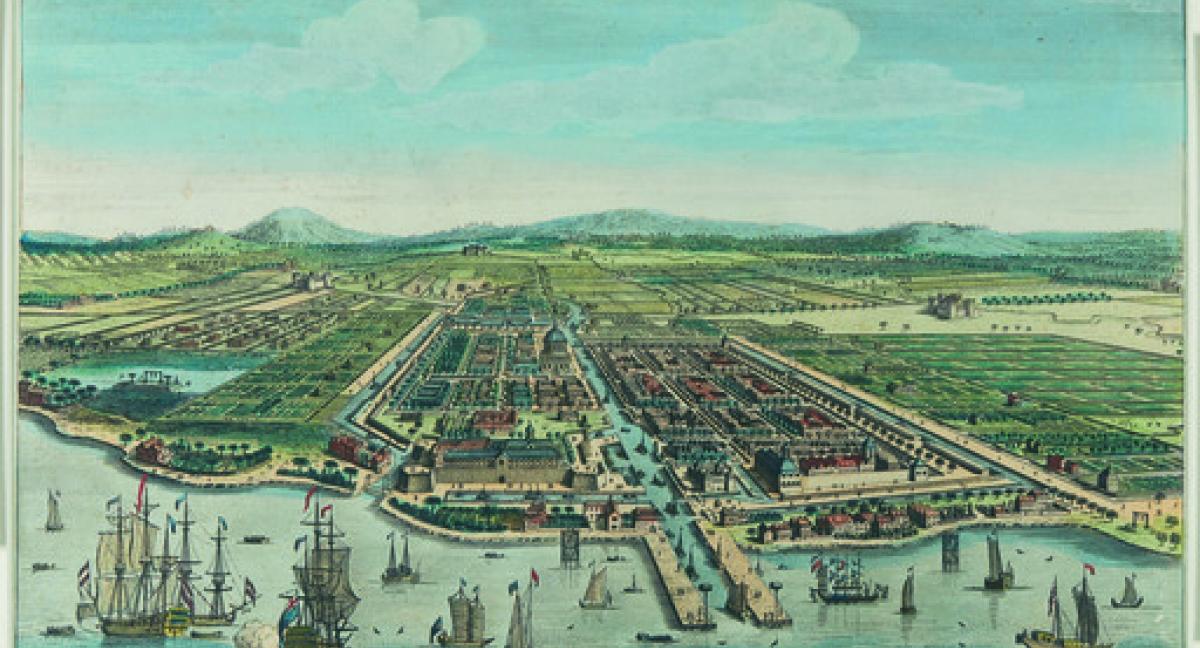
A TTCT Global History Teaching Resource, OCCIDENT is an exploration of the history of the Occidental area – examining the Indigenous Peoples, their Art, Fashions, Cultures & Customs, Politics & Religion, Social Growth & Development, interactions with the wider global community and More!
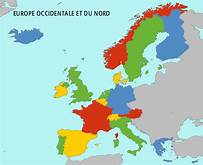
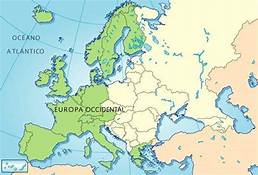
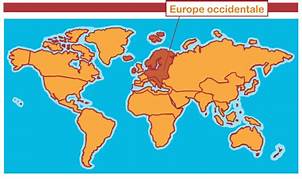
The Latin Origins of Oriental and Occidental – The word Oriental derives from the Latin orient – oriens, meaning “the east” or “the part of the sky where the sun rises.” Occidental, in contrast, derives from the Latin occident – occidens, meaning “the west” or “the part of the sky where the sun sets.” The geographical regions known as “the Orient” and “the Occident” are named for their positions relative to one another – east and west, respectively.
Occidental / Oc·ci·den·tal
or, Oc·ci·den·tal – (ŏk′sĭ-dĕn′tl)
- A native inhabitant of the Occident, a native or inhabitant of an Occidental country; a person who inhabits a particular place, a westerner, a Westerner
- of or relating to the Occident; of or pertaining to the Occident or its inhabitants
- denoting or characteristic of countries of Europe and the western hemisphere; “Occidental Civilisation“; “Hesperian Culture“
- relating to or characteristic of the western parts of the world or the West (as opposed to the eastern parts); “The Western World“; “Western Thought“; “Western Values“
- a literary or formal word for western
- an artificial language; a language that is deliberately created for a specific purpose
- Also; Occidentalism, Occidentalist, Occidentally
Much is known, documented and recorded about the history of the Oriental East, Surprisingly, the same can not be truly said about the Occident..
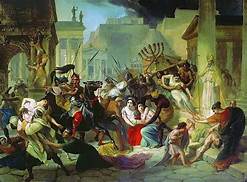
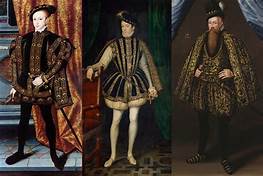
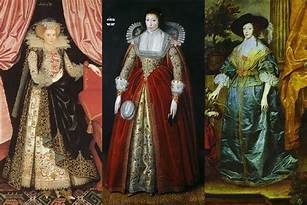
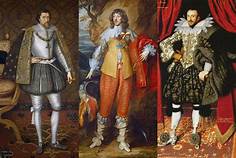
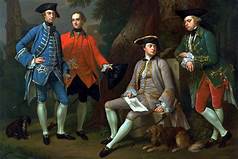
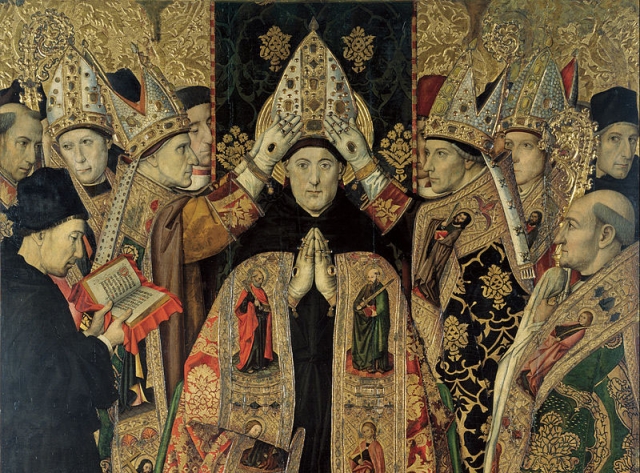
In the history of Europe, the Middle Ages or Medieval period lasted approximately from the 5th to the late 15th centuries, similarly to the Post-Classical period of global history. It began with the fall of the Western Roman Empire and transitioned into the Renaissance and the Age of Discovery. This part of Occidental history is quite well-documented.
Life in Medieval Europe
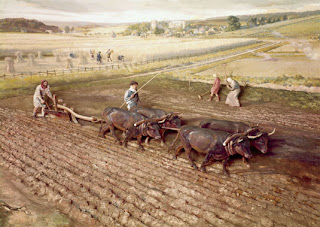
During the Middle Ages life in Europe was simple and a system called Feudalism was followed and within this European system nobleman and bishops ruled, with the king of European countries being at the top. Simple peasants were the lowest level people in European medieval life, and usually worked the fields of the noblemen. During this time there was a certain hierarchy going on within the lands, in which peasants were at the lowest and the King was at the top. The higher the position, the more authority was allowed.
Many events shaped the lands in medieval Europe, territories and borders expanded, nations vanished.. The medieval times in Europe are also known as the Dark Ages because during this time many wars occurred due to the huge amount of power struggles between nobility.
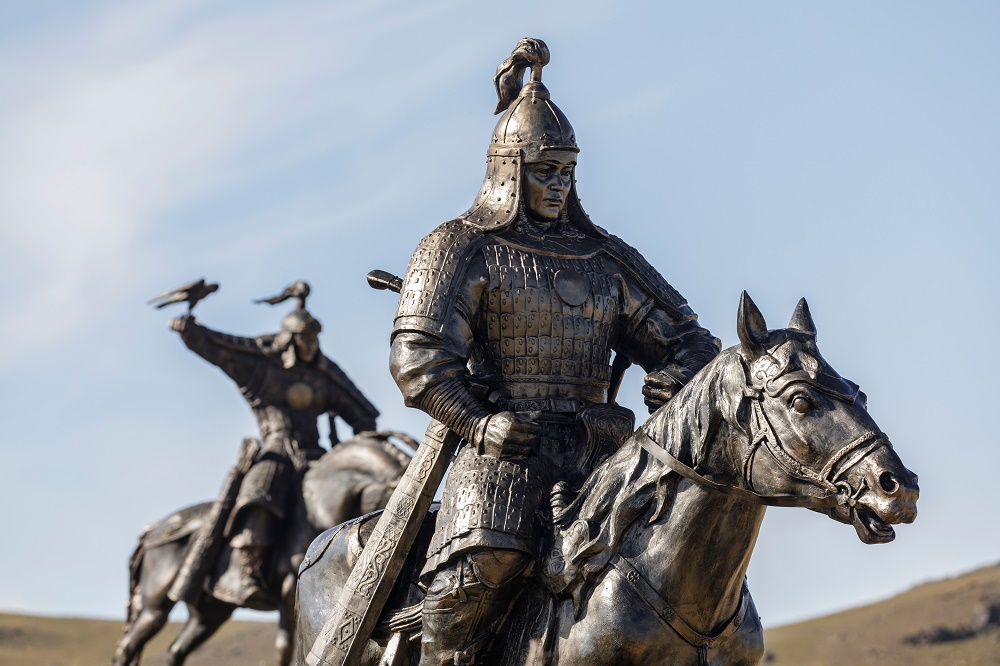
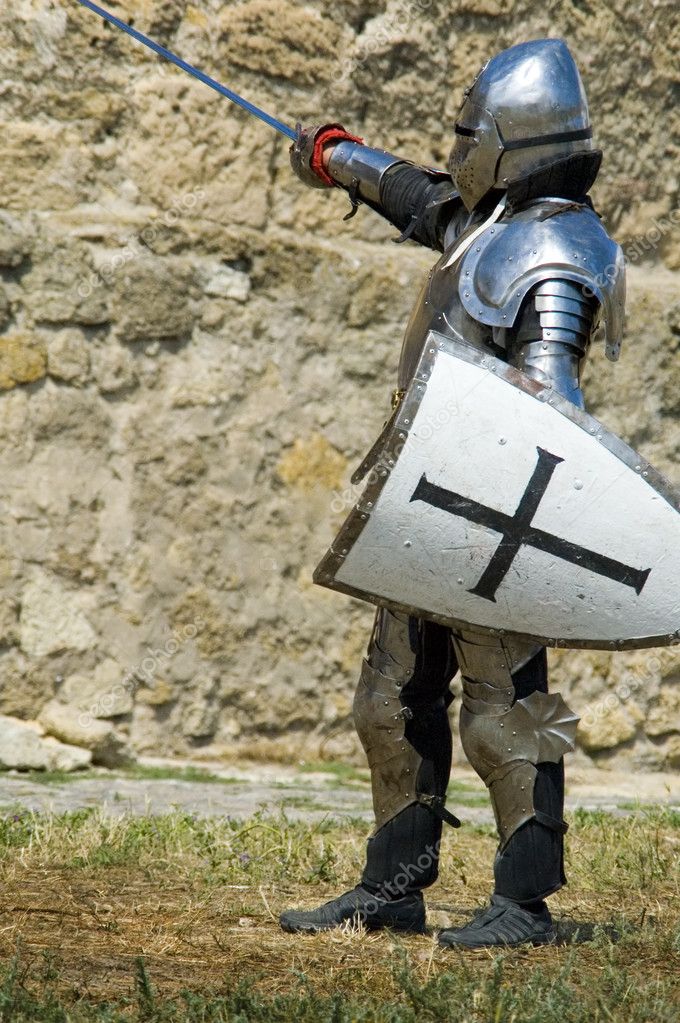
Covering many important relevant historical topics, subjects and events including:
- Solutrean and Gravettian Culture – 24,000 BC
- Magdalenian Culture – 16,000 BC
- The Minoans and Mycenae – 2700-1100 BC
- The Murder of Julius Caesar – 44 BC
- Constantine – The first Byzantine Emperor – 306-337 AD
- The Christianisation of Europe & The Dark Ages – 929 AD
- Rome and Constantinople – Crisis in the Church – 1054 AD
- The Domesday Book – 1085 AD
- Holy Wars & The Crusades – 1100s AD
- The Magna Carta – 1215 AD
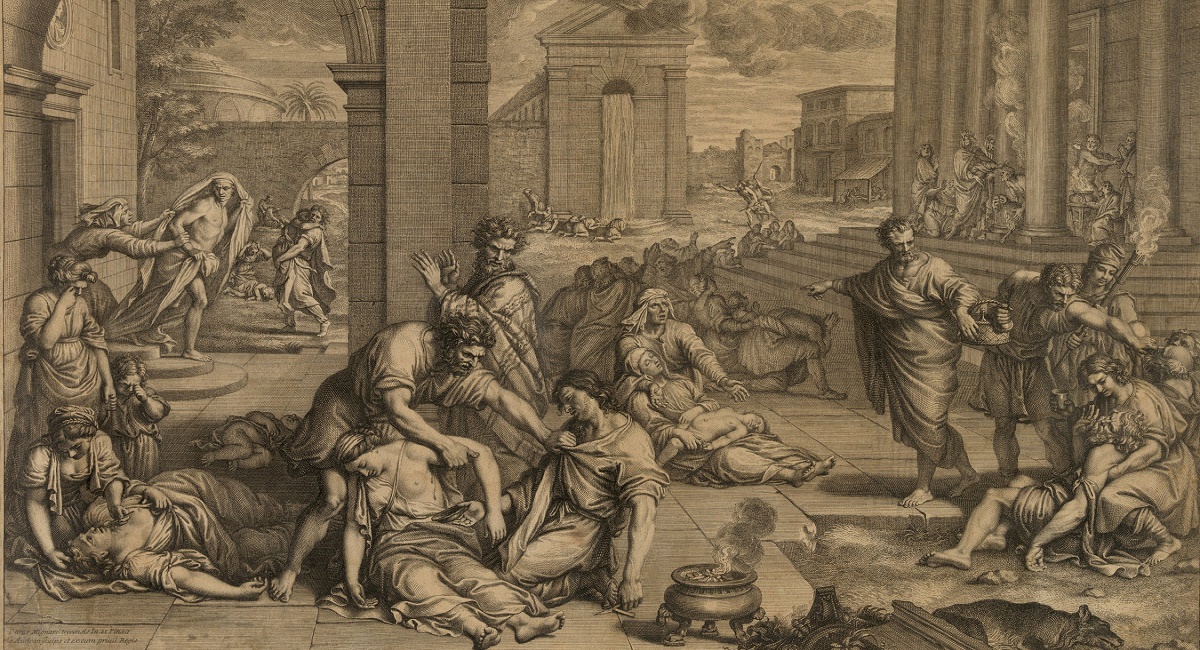
- The Great Famine – 1315-1317 AD
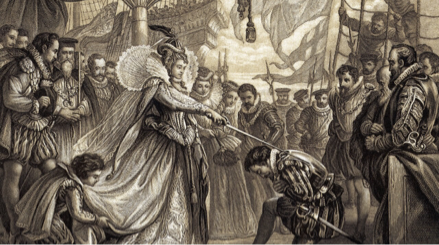
- The Renaissance Period – 1400-1600 AD
- The New World & The Age of Discovery – 1419 AD
- Rosslyn Chapel – 1446 AD
- Protestant Reformation – 1517-1648 AD
- The Treaty of London – 1518 AD
- The Thirty Years’ War & The Peace (Treaty) of Westphalia – 1618-1648 AD
- The French Revolution – 1789-1799 AD
- The Paris Peace Conference – 1919 AD
- Pre-Modern versus Modern Demographics
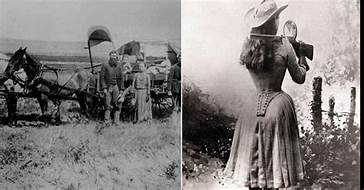
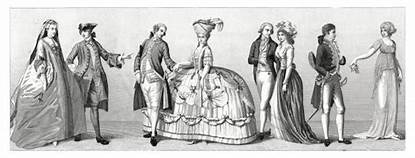
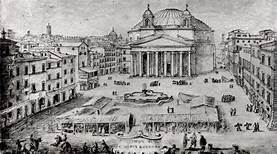
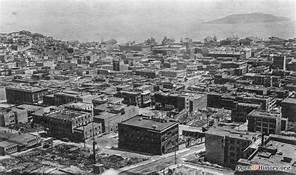
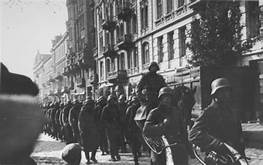
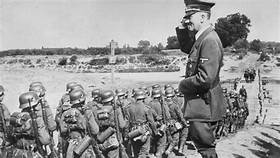
The TTCT OCCIDENT Global History Teaching Resource covers the birth of the Occident and moves through the ages to the point where The Occident became known as Europe, and onwards, through the Great World Wars, right up to the emergence of Modern Europe in the wake of the end of the second World War.
A TTCT Global History Teaching Resource – Available 2028
—————————————————————
UK Modern
‘How Today’s Solutions to the Issues faced Yesterday, have often become the Problems of Tommorow’..

The TTCT UK Modern Teaching Resource is part of the TTCT UK Modern Series and is designed to allow Teachers, Educators and Students to explore the development of the Contemporary United Kingdom.



This TTRT Teaching Resource looks at the time period spanning 1888 up until 2020 – Designed to examine Living Conditions, Families & Lifestyles, Migration &Demographics, Business & Commerce, Trade & Industry, Political & Social Ideas and Movements, Crime & Punishment, and the Culture & Identity of the United Kingdom, the TTCT UK Modern Teaching Resource Series is intended to allow fair & critical, impartial analysis of and discussion on the subjects most relevant to Students developing clear and accurate ideas and independent thought on the evolution of the current Institutions, Systems, Organisations and Political System within the United Kingdom.


Teachers and Educators will be able to target the specific topics which they feel best pertain to their Students Learning, Growth & Development, and being a Independent Research and Personal Life Experiences-based Teaching Resource, focused on Discussion and Essays (written or oral), the work and developments achieved by the Teaching Staff & Students will be intensely rewarding and revealing for all participants, as Every One has a Backstory, and likewise every Culture has a Historical Past, both of which lead and can be traced up until the present day.
The main areas covered by the TTRT UK Modern modules include:
- Demographics, Origins, “All Things English”, Black & British, The Geo-Political UK, British Culture, Britain Through The Ages, UK Cities, British Differences, London & Empire, The British Monarchy,
- The British “Establishment”
- UK Citizenship
- The Flora & Flora of the UK
- The Resources of the UK
TTCT – A UK Modern Series Teaching Resource – Available 2028
—————————————————————
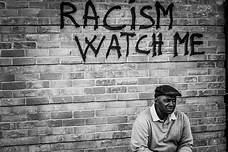
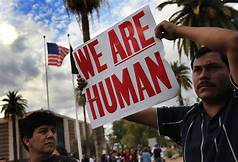
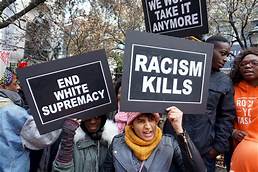
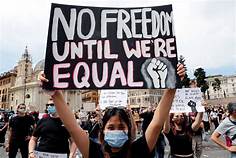
Racism, Prejudice, Discrimination & the Ideology of White Supremacy
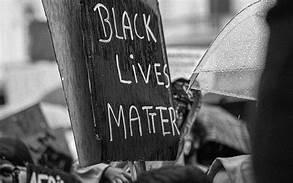
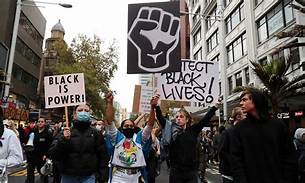
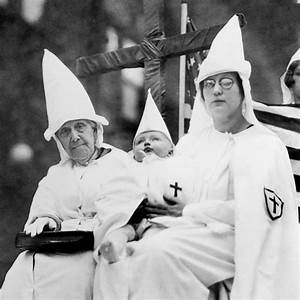
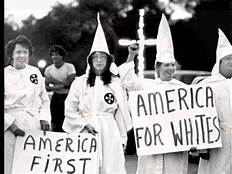
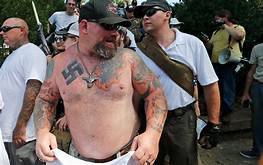
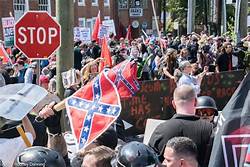
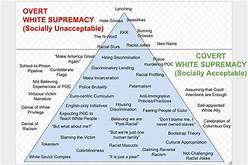
Racism, Prejudice, Discrimination & the Ideology of White Supremacy is a Discussion & Essay-based TTCT Global Teaching Resource providing a comparative examination of the nature, application, applied usage of, and effects of Racism, Prejudice, Discrimination and White Supremacist Ideologies upon our collective global community.
Utilising and comparing data and information from a wide and diverse range of people and places, in order to better contrast and understand the universal aspects of these political and ideological systems, and to look at and analyse ways in which those systems can be successfully and smoothly dismantled and removed from the global community.
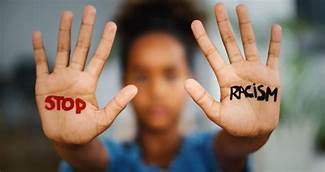

In his exceptionally insightful book, Racism: A Short History, Stanford University historian George M. Fredrickson notes the paradox that notions of human equality were a necessary precondition to the emergence of racism. If a society is founded on an premise of inequality, producing an accepted hierarchy – one unquestioned even by those relegated to its nadir – then there is no need to locate the cause of the underlings’ position in some specific characteristic on their part that makes them less worthy than others.
However, as societies have become increasingly committed to the belief in freedom and equality – as once revolutionary ideas about equal rights for all have become more widespread, especially in the West – then those groups that are systematically denied these entitlements are claimed to possess what Fredrickson calls “..some extraordinary deficiency that makes them less than fully human“.
That is, racism arose as a result of the contradiction between egalitarian principles coupled with the exclusionary treatment of specific ethnic groups: the rejection of organically hierarchical societies brought with it the implied necessity to account for the fact that some groups were subjected to servitude, enforced separation from the rest of society, or ghettoization.
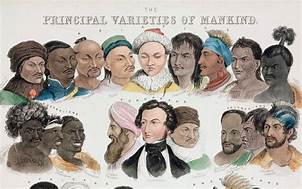
Beginning around the end of the eighteenth century, as Enlightenment Rationalism replaced faith and superstition as the source of authority, the pronouncements of science became the preferred method for reconciling the difference between principle and practice. In societies in which there has been systematic discrimination against specific racial groups, inevitably it has been accompanied by attempts to justify such policies on scientific grounds.
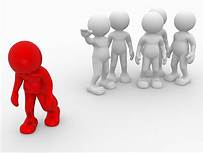
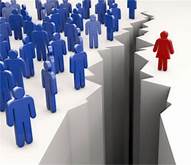

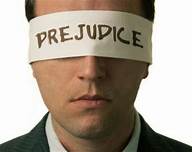

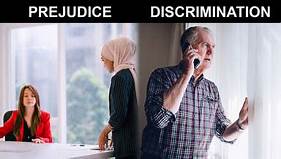
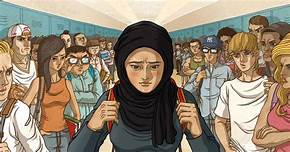


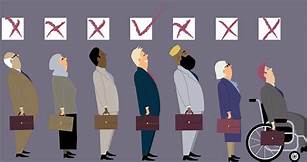


There have been three types of scientific explanations offered in support for racial discrimination, each of them having a lengthy history. One approach has been to claim that there are biological dangers involved in racial interbreeding; it was on the basis of this belief that in the United States and South Africa for many years there were statutory prohibitions against intermarriage.
Another trend in the scientific justification of racial discrimination has been the claim that prejudice is a natural and indeed an essential phenomenon necessary for the evolutionary process to be effective by ensuring the integrity of gene pools. In this view, evolution exerts its selective effect not on individuals but on groups, which makes it necessary for races to be kept separate from each other and relatively homogeneous if there is to be evolutionary progress.
Finally, the most common way in which science has been used to support racial discrimination is through pronouncements that some groups are systematically less well-endowed than others in important cognitive or behavioural traits. This is not to say that there may be no group differences in these traits, but rather that at this point there are no clear conclusions, which in any event would be irrelevant to issues of social and political equality. Nevertheless, there is again a long history of the use of such claims for oppressive purposes.

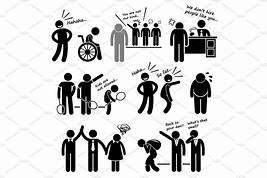
For the first quarter of the twentieth century, there was particular concern over the results of early intelligence tests, which supposedly demonstrated that Southern and Eastern Europeans were not only intellectually inferior to their Northern counterparts, but were also unfit for self-rule. Some of the most important scientists of the time explained that Nordics, characterized as they were by greater self-assertiveness and determination, as well as intelligence, were destined by their genetic nature to rule over other races.
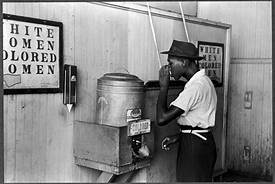
In the last half century, the controversy over intellectual and moral traits has focused primarily on the differences between People of Colour and other races, which were often cited by those seeking to preserve White Minority Rule (Apartheid) in South Africa and legal Segregation in the United States.
In the aftermath of the Second World War, two conferences of internationally recognized scientists, held by the United Nations, Educational, Scientific and Cultural Organization (UNESCO), issued statements about race. Although there were some slight differences in their observations about the possibility of innate differences, both groups agreed that equality as an ethical principle concerning the rights to be enjoyed by all members of a society was not predicated on any scientific conclusion about racial characteristics – All people in any given society should be freely endowed with the basic Human Rights & Entitlements enshrined in the UN Universal Declaration of Human Rights. This position should still inform our thinking about race and science..
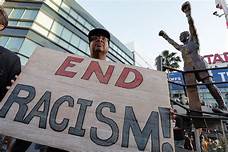
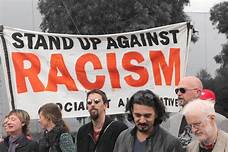
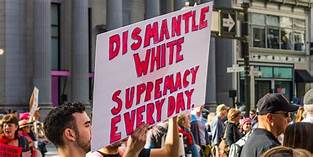
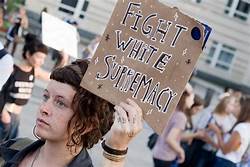
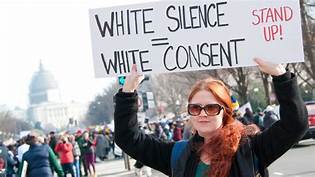
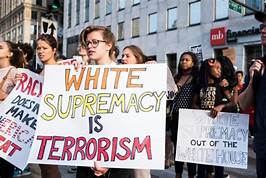
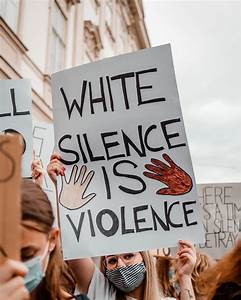
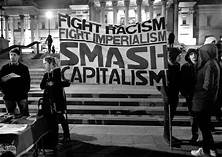
In the past few decades, the American Anthropologist, (the flagship journal of the American Anthropological Association), has published a number of research articles focusing on white communities in the United States, such as Evangelical Christians and the Rust Belt Working Class, and on racial caste formation in the Americas. In addition, anthropologists have published reflexive commentaries on race in anthropology. The articles listed below are used in this TTCT Resource and provide a general overview of the important contributions that authors writing in American Anthropologist have made to the study of white communities, whiteness in racial hierarchies, and white supremacy in anthropology, and are also among the many primary and secondary source materials utilised in the Resource.

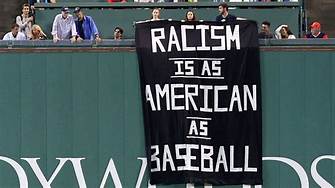

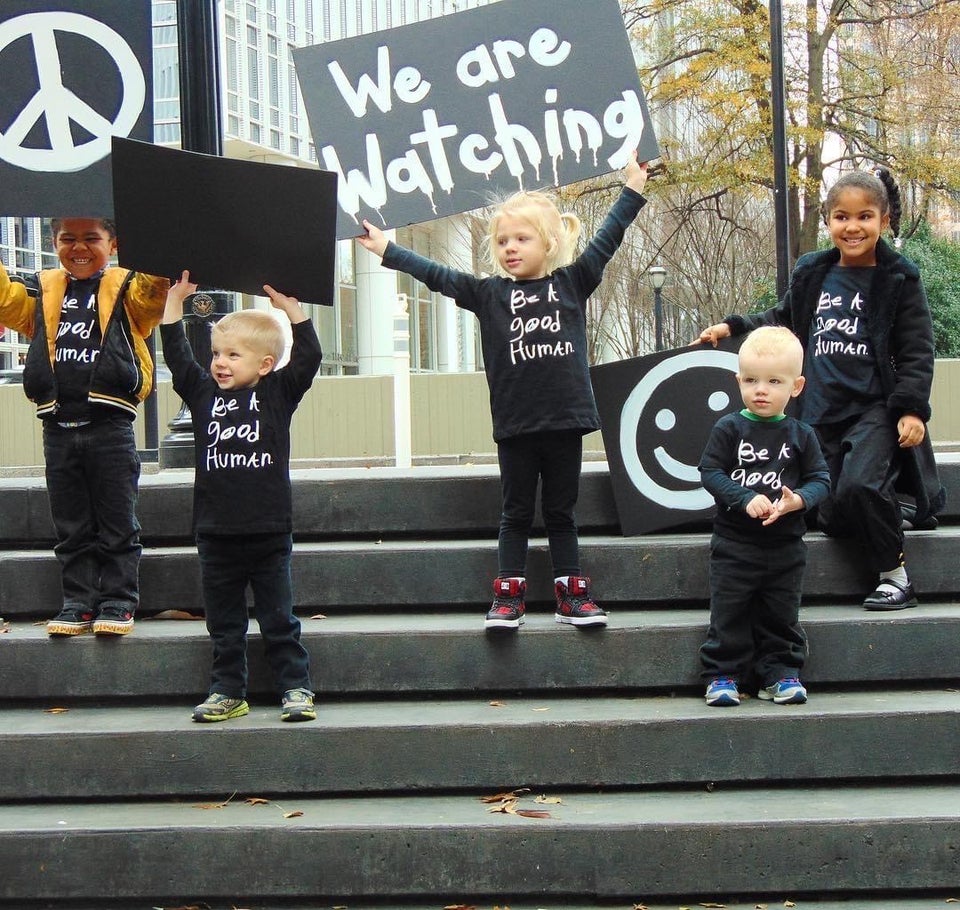
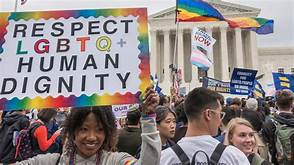
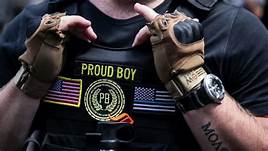
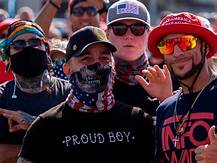
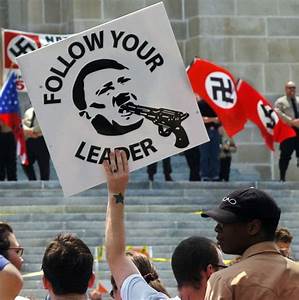
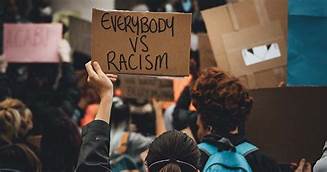
However, in searching the journal archives, we found relatively less academic research demystifying the work of white supremacy as a system of power and privilege operating around the world..
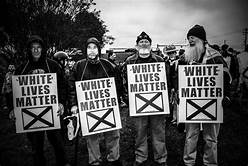
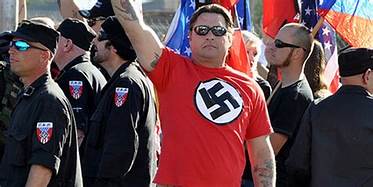
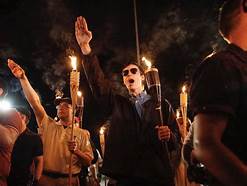
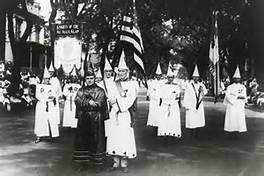
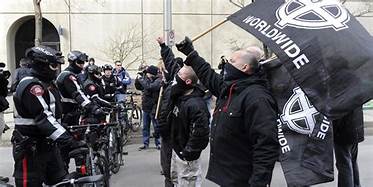
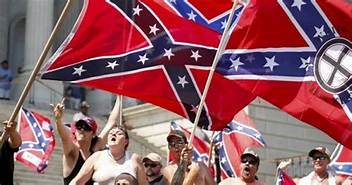
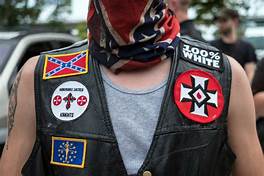
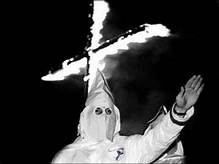
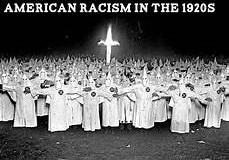
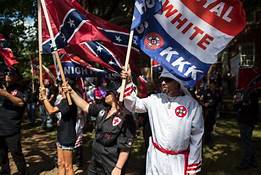
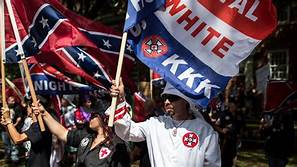
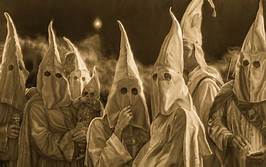
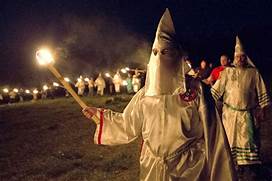
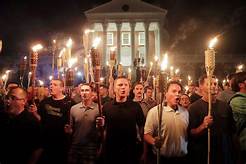
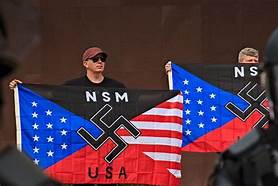
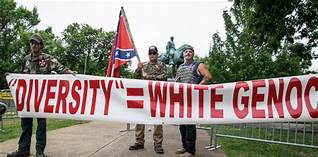
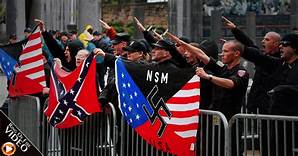
Such absences point to useful directions for future study, and TTCT’s Racism, Prejudice, Discrimination & the Ideology of White Supremacy Global Teaching Resource seeks both to address this lack and to shed light on the contemporary global transcendence of White Supremacy, and the current resurges and increases in Nationalistic, Far-Right political thinking and governmental policy-making, identifying and critically analysing some of the most oppressive and violently extremist Groups, Governments and Movements, currently in power or operating around the world.

A TTCT Global Teaching Resource – Available 2028
—————————————————————
—————————————————————
©TTCT – Those That Can, Teach – ©TTRT – The Teaching Resource of Today – 2026
—————————————————————

